
Digitalization is reshaping how hospitality businesses manage guest arrivals. Among the emerging solutions is Face Check-in, a web app that enables De Visu identification via videocall in compliance with Art. 109 TULPS, allowing guests to complete the identification process directly from their smartphone while enabling properties to manage arrivals even without a staffed reception desk.

We spoke with Maurizio Bazzacco, CEO & Founder, about how this technology can simplify operational processes in the Ho.Re.Ca sector.
What need led to the development of Face Check-in, and which operational challenges does it solve for hospitality businesses?
Face Check-in was developed to allow hospitality businesses to comply with the legal requirement to identify guests without always having staff at the reception. It addresses challenges such as late arrivals, managing multiple properties, and reducing operational costs, simplifying the identity verification process without replacing the actual check-in procedures.
How does Face Check-in ensure de visu identification and compliance with Art. 109 TULPS while keeping the process simple for guests?
The system verifies the guest’s face through a video call: the guest shows their ID, and the operator confirms the match. This ensures compliance with Art. 109 TULPS, providing the legally required visual identification with a simple, fast, and remote-friendly procedure.
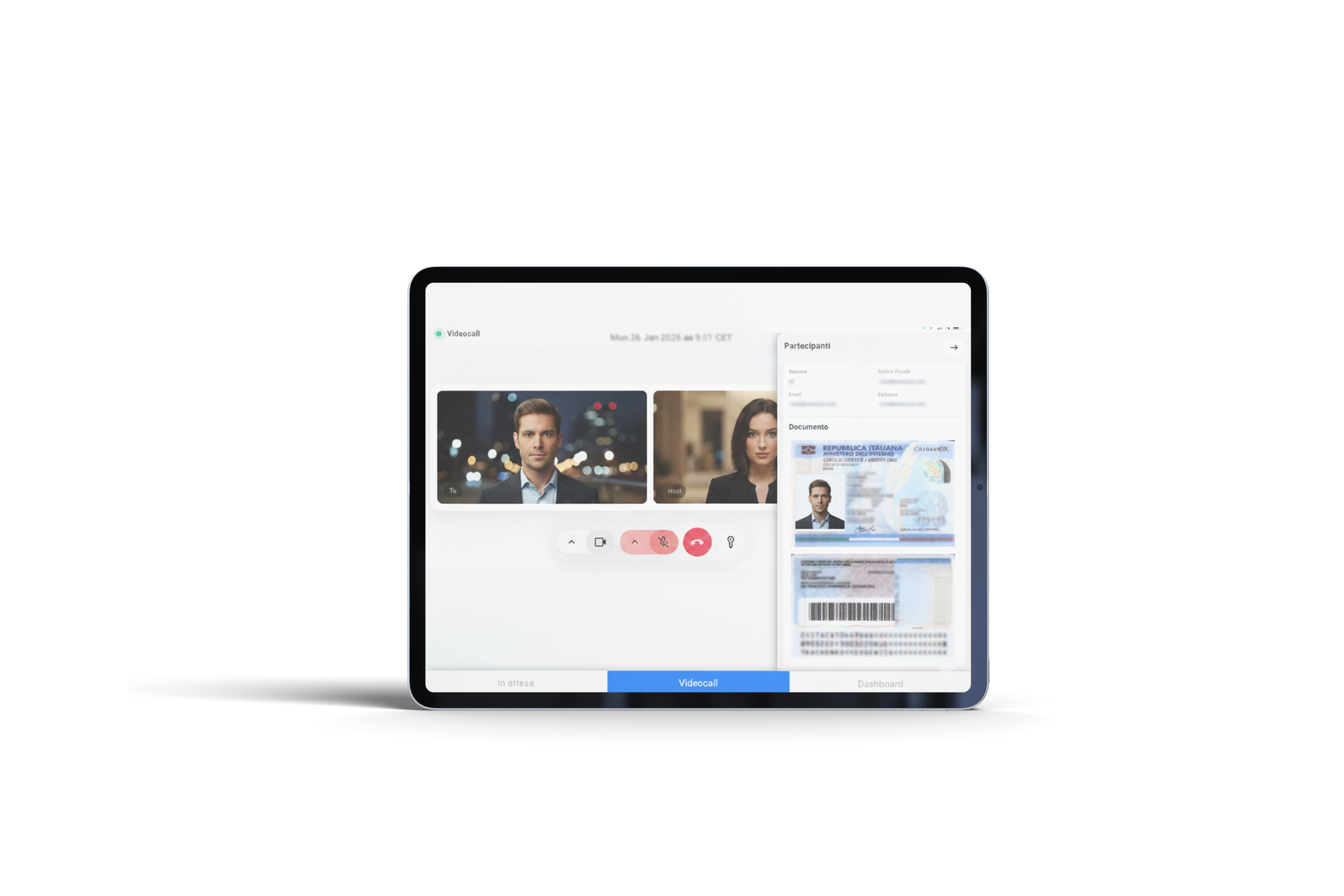
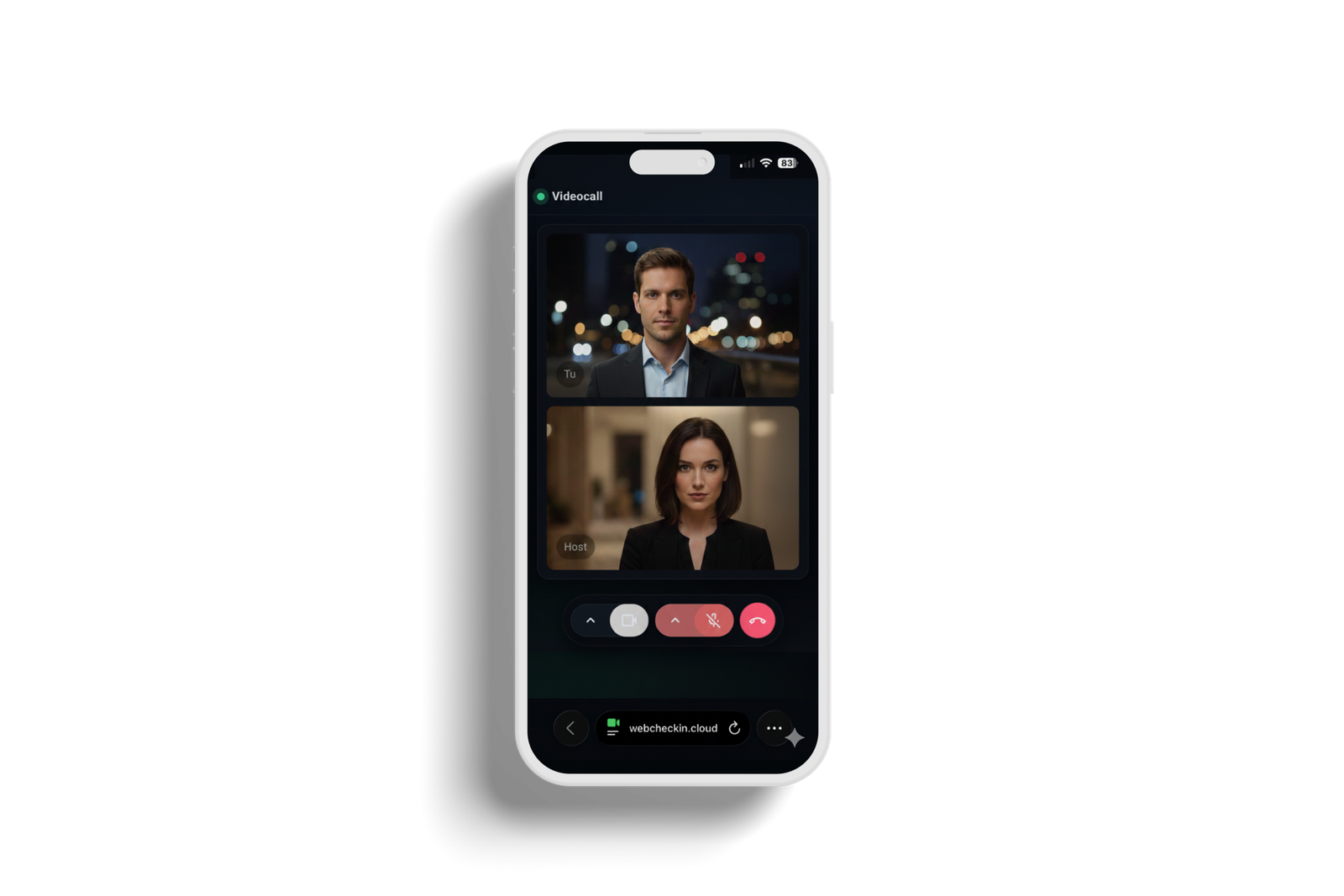
Face Check-in allows check-in even without on-site reception staff. What impact can this have on the organization of hospitality businesses?
By allowing identification without on-site staff, Face Check-in increases flexibility, enables out-of-hours arrivals, and reduces reception workload. Staff can focus on guest services and assistance while identity verification is handled securely and digitally.
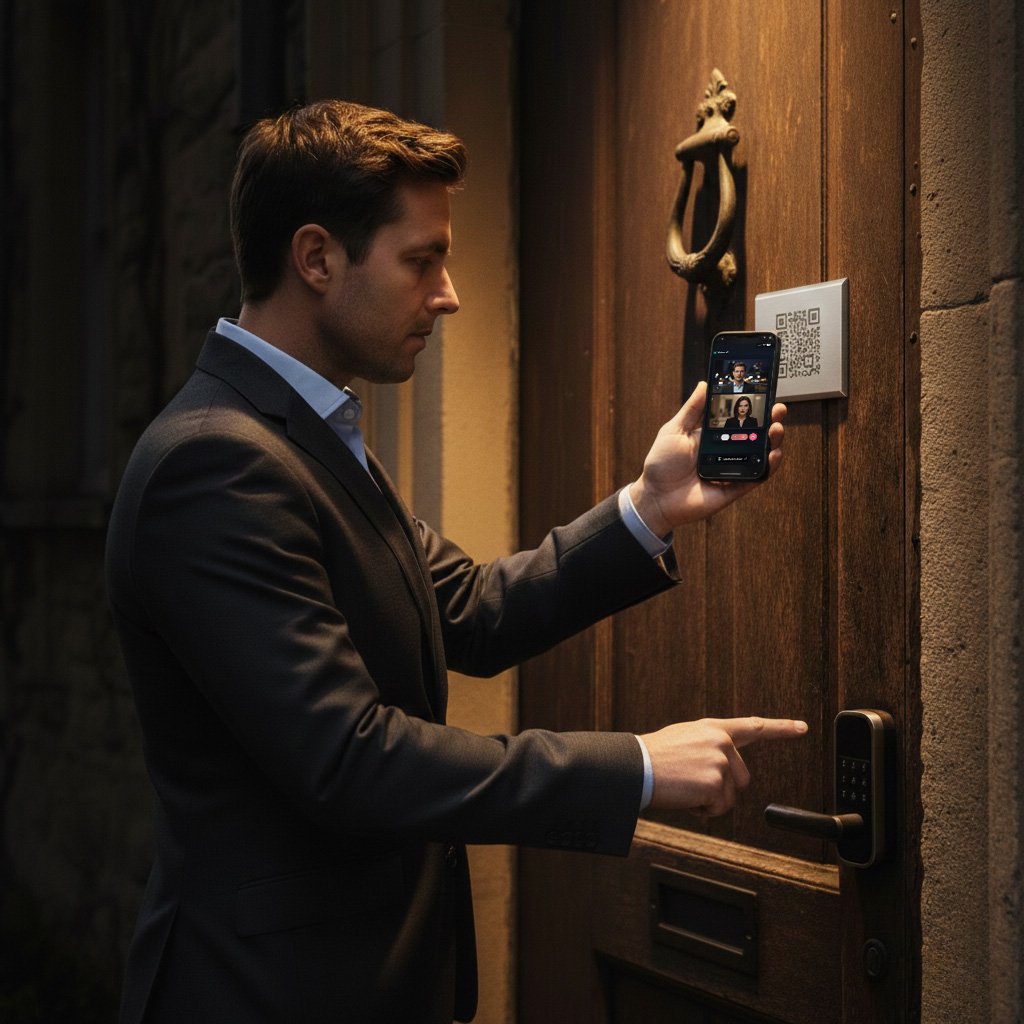
Looking ahead, how do you see the role of self check-in evolving in the hospitality industry?
Self check-in will continue to grow with digitalization, integrating with management systems, access control, and payment platforms. Solutions like Face Check-in will become standard for regulatory compliance without slowing the guest experience, while still allowing human support when needed.
As operational models in hospitality continue to evolve, solutions such as Face Check-in show how digital tools can support both efficiency and compliance. The ability to manage guest identification remotely, without compromising legal requirements or service quality, reflects a broader shift toward more flexible and technology-driven hospitality management.