Hospitality operations rarely follow the same rhythm every day. A hotel breakfast room may serve hundreds of guests one morning and considerably fewer the next. Restaurants move between quiet periods and busy service, while conferences, events and seasonal demand create additional peaks.
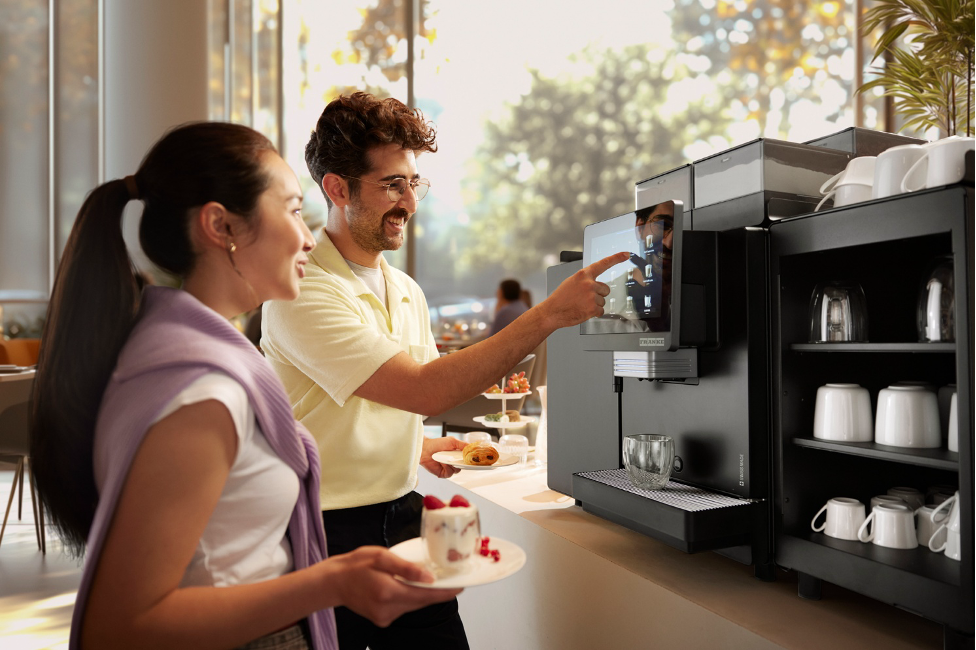
Yet one part of coffee operations has traditionally remained unchanged: the cleaning schedule.
Professional coffee machines are often cleaned according to fixed daily routines, regardless of how many beverages have actually been prepared. The objective is essential: to protect hygiene, beverage quality and reliable operation. But when the same full cleaning cycle is performed after both a quiet day and a high volume service, the routine may not reflect the machine’s real use.
The operational cost of fixed routines
Every full cleaning cycle requires detergent, staff attention and a period during which the coffee machine is unavailable.
Across several machines or outlets, these interventions add up. A hotel may operate coffee machines in its breakfast area, lobby, conference facilities and restaurant. Each location has a different demand profile, yet conventional schedules may treat them all in the same way.
For hospitality businesses managing staffing pressures, rising costs and complex workflows, this raises an important question: can hygiene remain fully controlled without carrying out unnecessary interventions?
The answer lies not in cleaning less carefully, but in cleaning more intelligently.
From calendar based to usage based cleaning
A usage based approach aligns cleaning with the machine’s actual output. Instead of automatically triggering the same full system clean every day, the machine distinguishes between routine care and deeper cleaning requirements.
This is the principle behind IndividualClean in Franke Coffee Systems’ New A Line.
IndividualClean separates the process into System Cleaning and Daily Care. System Cleaning can be triggered automatically after approximately 400 beverages or at the latest after three days. Coffee and milk system cleaning can also be performed separately, allowing the cleaning process to reflect how the machine has actually been used.
Daily Care covers accessible components and can be completed at a convenient point during the working day, including between service peaks. This gives teams greater flexibility while maintaining controlled hygiene routines.
Less intervention, greater control
For operators, the benefit is practical. Avoiding unnecessary full cleaning cycles can reduce detergent consumption, limit machine downtime and free staff from repetitive tasks that may not correspond to actual demand.
A breakfast machine operating at high capacity may reach its cleaning threshold quickly. A machine in a meeting area or hotel bar may require a different rhythm. Usage based cleaning allows each machine to respond accordingly instead of imposing one universal schedule.
The approach also creates greater transparency. Cleaning is no longer carried out simply because the calendar says it is time. It becomes part of a cleaning approach designed around real activity, helping teams understand what needs to be done and when.
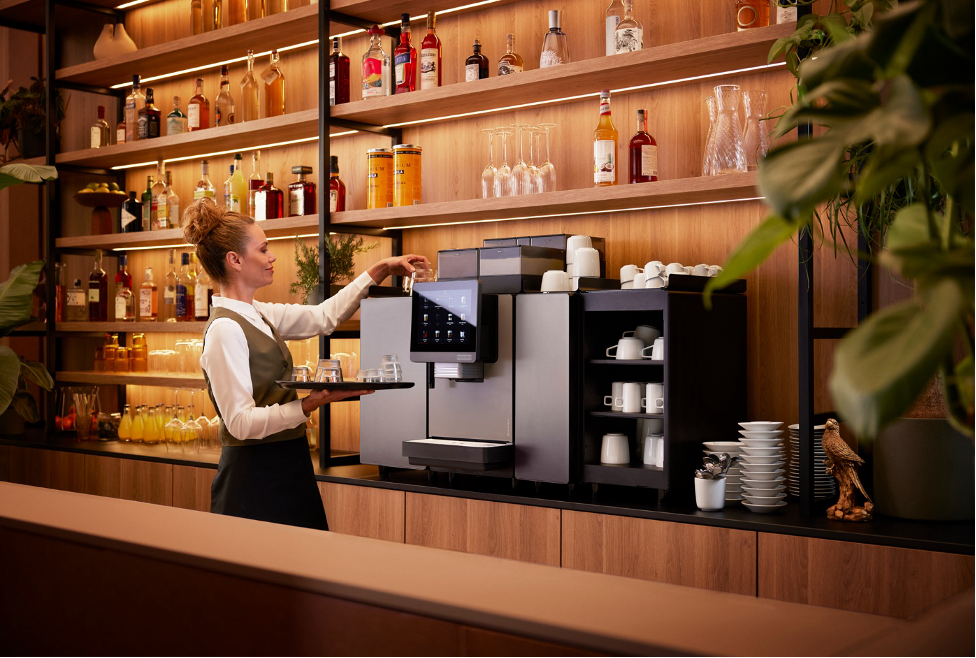
Making every intervention count
Hygiene and food safety should never be compromised. But operational efficiency does not come from performing more interventions than necessary. It comes from ensuring that every intervention has a clear purpose.
By adapting system cleaning to actual beverage output, IndividualClean helps hospitality businesses protect quality and hygiene while reducing unnecessary effort, detergent use and downtime.
In an industry where every staff hour, service minute and operating resource matters, the key question is no longer simply how often a coffee machine is cleaned. It is whether its cleaning routine reflects the way the business really operates.
Discover how the New A Line supports more efficient hospitality coffee operations at coffee.franke.com