Walk into your cold room and honestly evaluate what you see. Every restaurant owner wants efficient, professional storage, but are you getting the performance you deserve from your current shelving? Here are five common problems that might be draining profits without you realizing it.
Mistake 1: Poor energy efficiency from blocked airflow
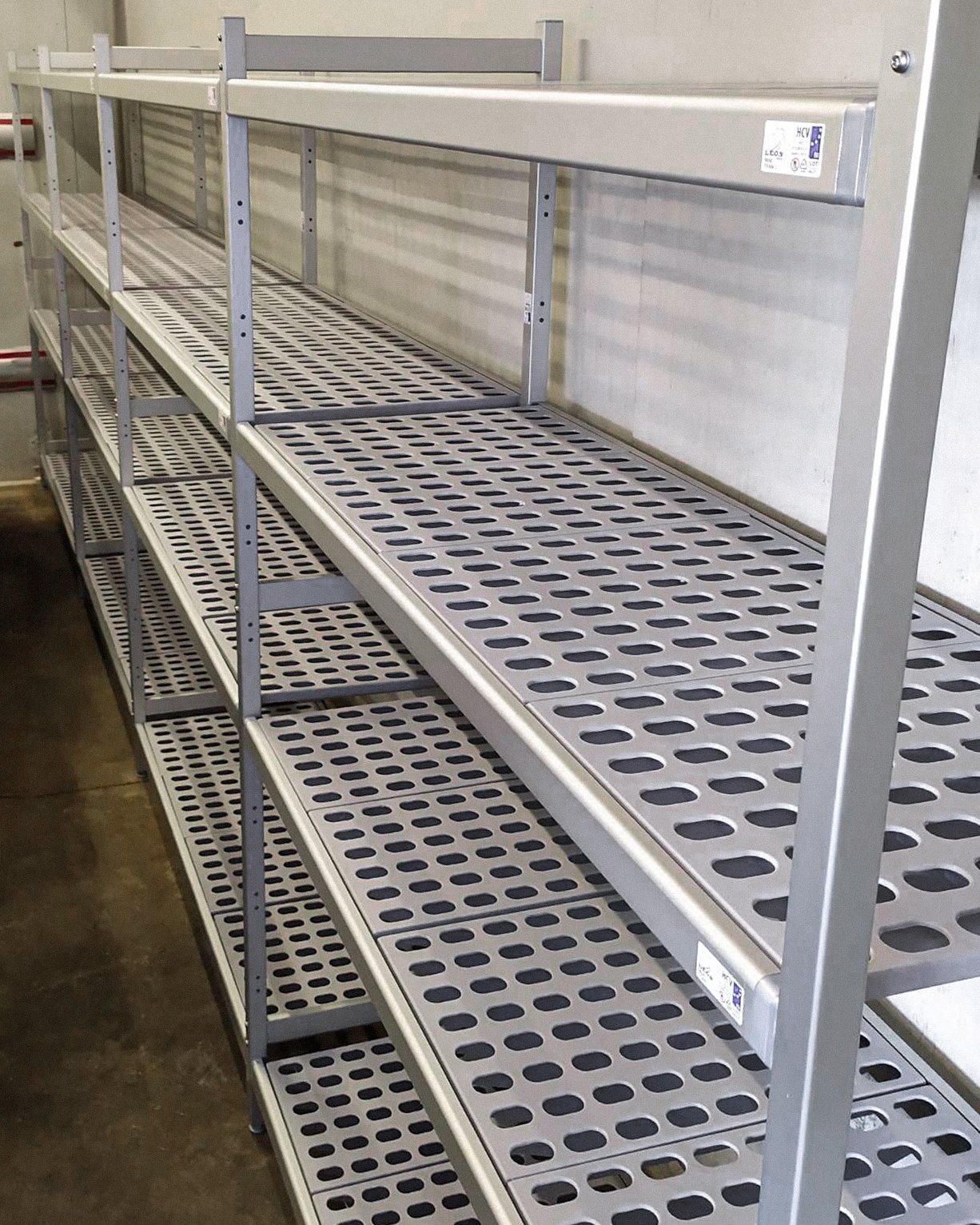
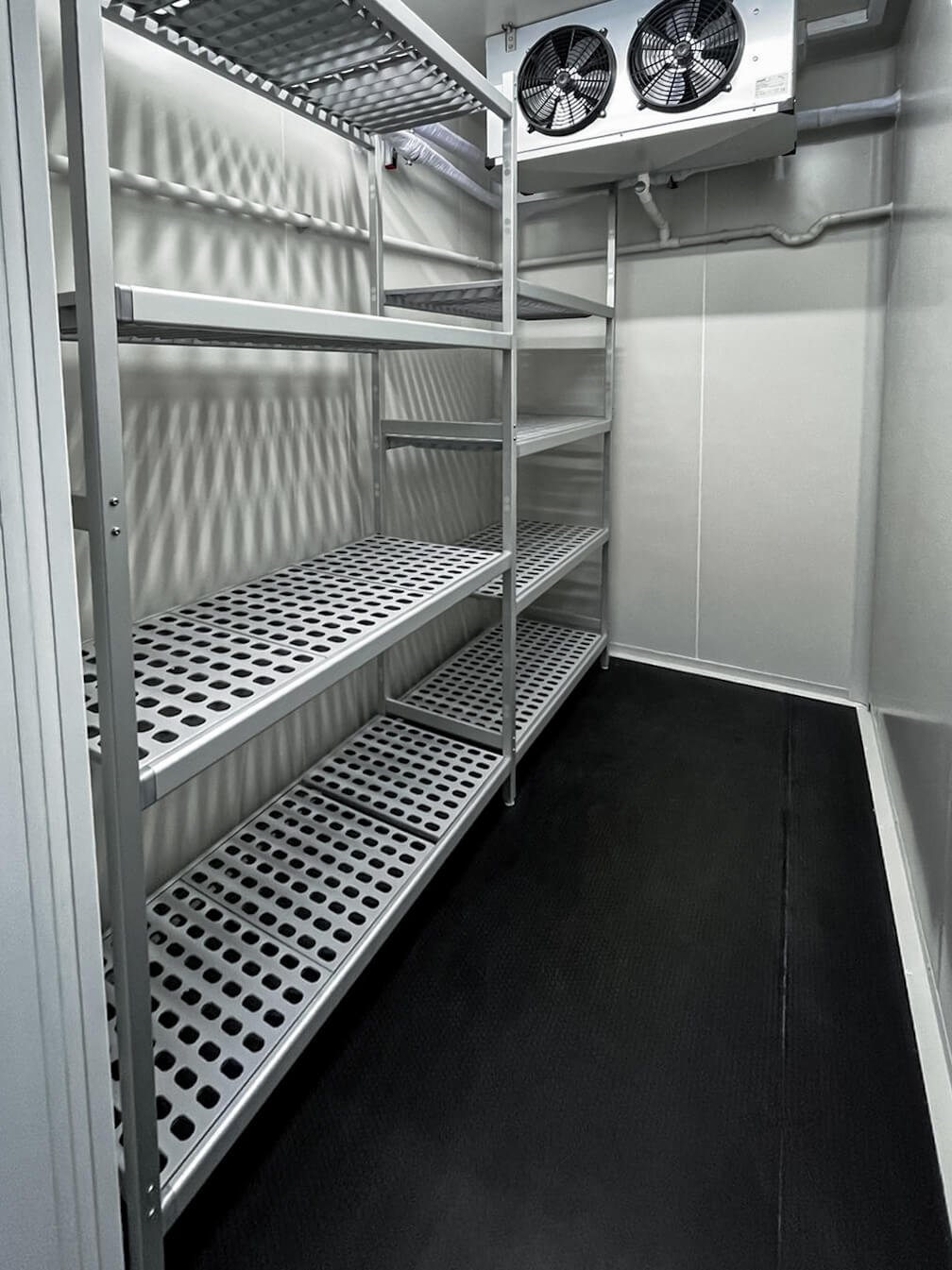
Check your monthly energy bills. Poor shelf design forces cooling systems to work harder, even when temperatures eventually stabilize. When shelves block air vents or create dead air zones, your compressors run longer cycles to maintain temperature after door openings.
Ask yourself: Do my shelves help air circulation, or do they create obstacles that increase energy costs?
Mistake 2: Accepting difficult cleaning as normal
Here’s a test: When did your staff last thoroughly clean your shelves? If the answer involves frustrated sighs or “we skip some areas” you’re losing money to contamination risks and failed inspections. Quality shelving should make cleaning almost enjoyable – surfaces that come off easily for dishwasher cleaning, smooth designs without corners where dirt can hide.
Ask yourself: Are my shelves so easy to clean that staff actually want to maintain them properly?
Mistake 3: Ignoring condensation problems
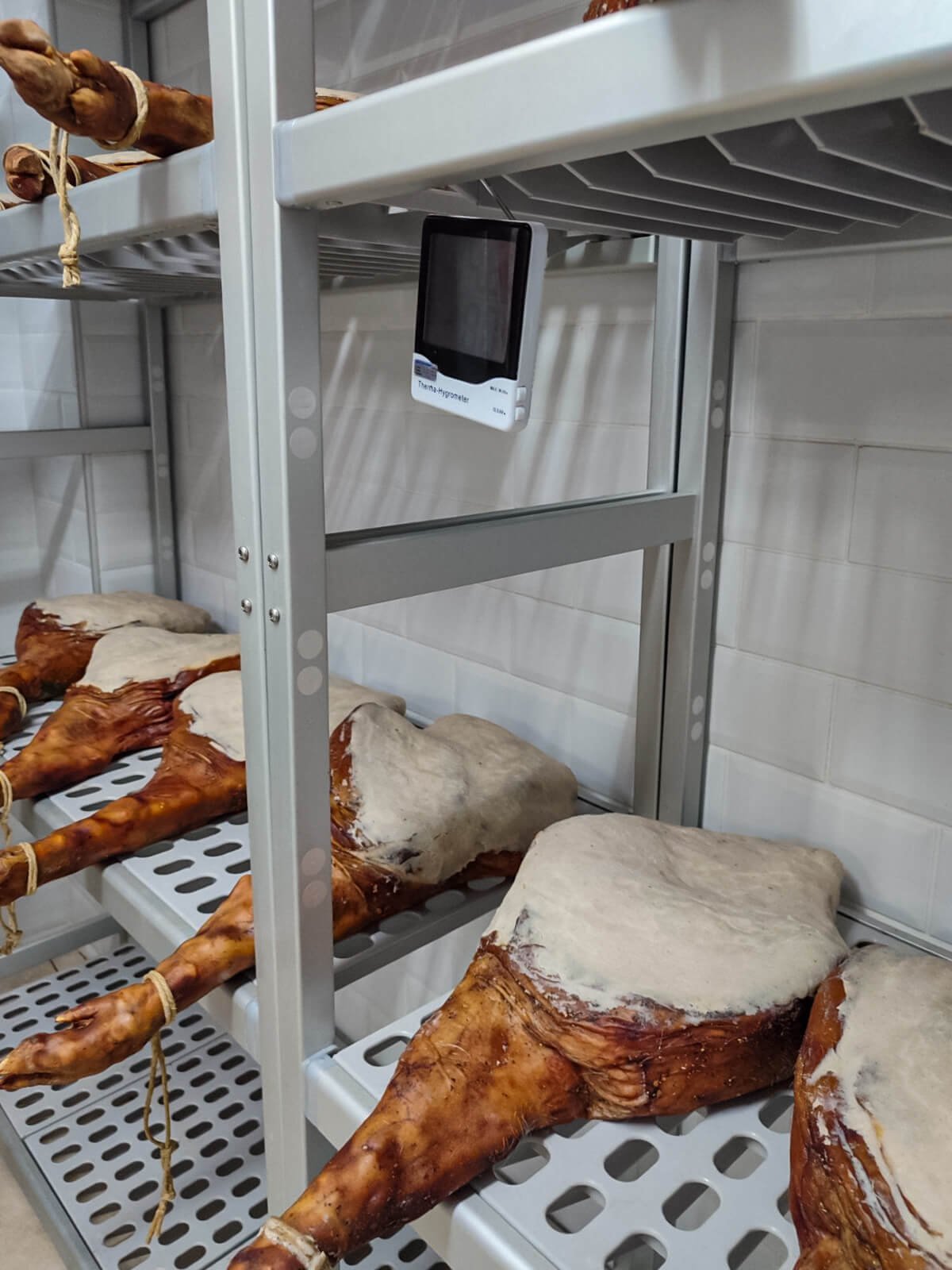
Notice packages sticking to shelves? This happens when moisture condenses where products contact cold surfaces. Different materials handle this challenge differently – some surface types are less prone to condensation buildup, which makes products stick and creates cleaning headaches.
Mistake 4: Tolerating stability and adjustment issues
Wobbly shelves aren’t just annoying – they’re expensive. Unstable storage leads to dropped products and staff injuries. Equally important: can you easily adjust shelf heights as your storage needs change, or does reconfiguration require significant time and effort?
Ask yourself:Are my shelves both stable during use and flexible when I need to reorganize?
Mistake 5: Finding the balance between cost and performance
The cheapest shelving often creates the highest operational costs. Poor materials corrode, surfaces become harder to sanitize, and replacement needs multiply quickly.
Smart restaurant owners seek suppliers who understand their professional requirements. For example, Leon Inox shelves carry the HCV mark by NSF – independent proof that the design has been validated for a HACCP-controlled environment. This kind of third-party validation shows a manufacturer takes food safety seriously, not just talks about it.
Smart restaurant owners calculate total ownership costs. The solution isn’t working harder – it’s working with equipment designed for professional kitchen demands.