In a sector shaped by strong pressures, Antica Tostatura Triestina has chosen a clear direction: coffee quality, environmental responsibility, and the protection of people throughout the entire chain. For ATT, sustainability is not a separate chapter but a daily operating principle; hence the idea of Regeneration, understood as safeguarding and renewing the ecosystems where coffee is born.
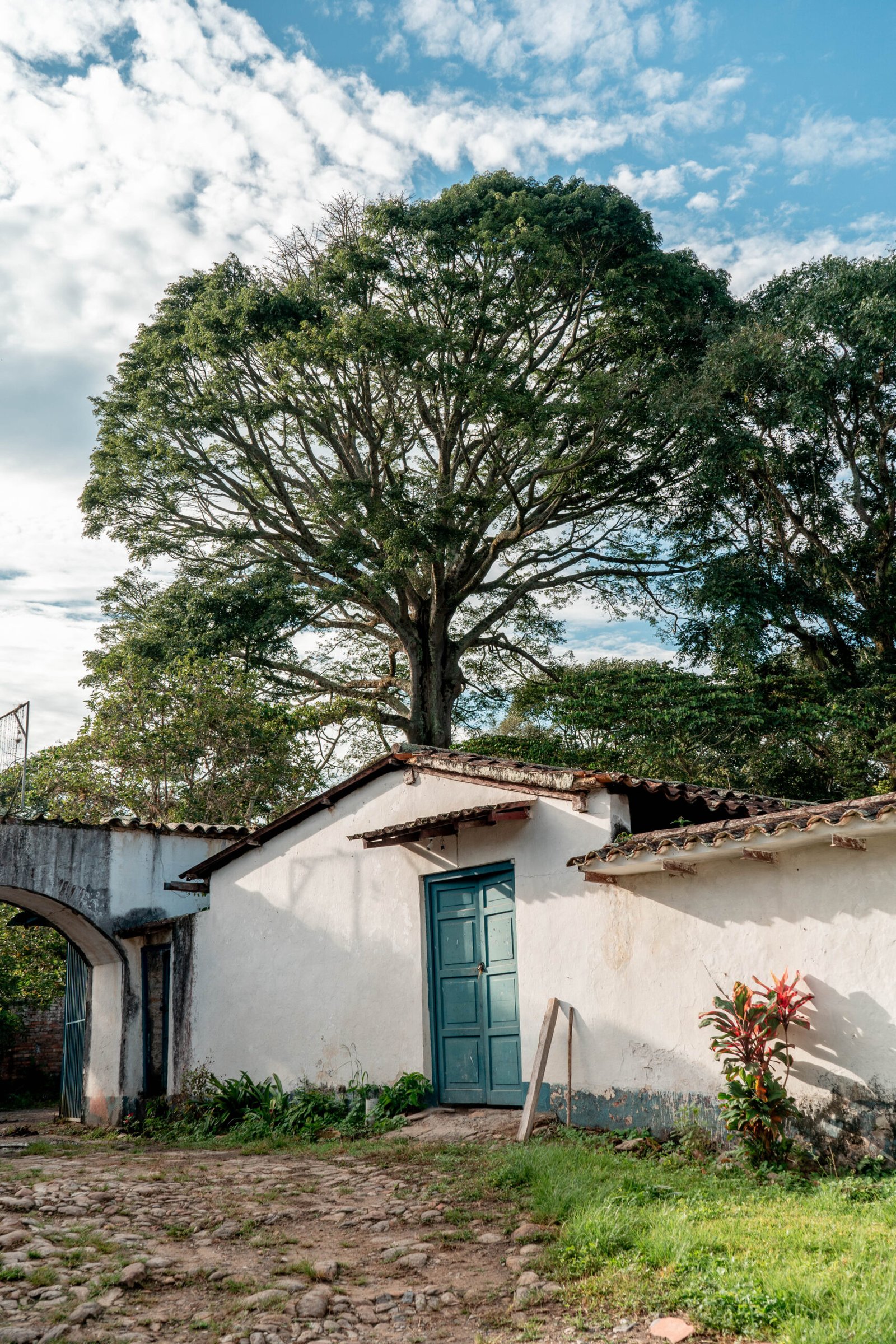
On the Venezuelan plantations of La Palmita, the land is treated as a living organism: coffee plants grow alongside native flora and fauna in a balance that supports biodiversity and soil health.
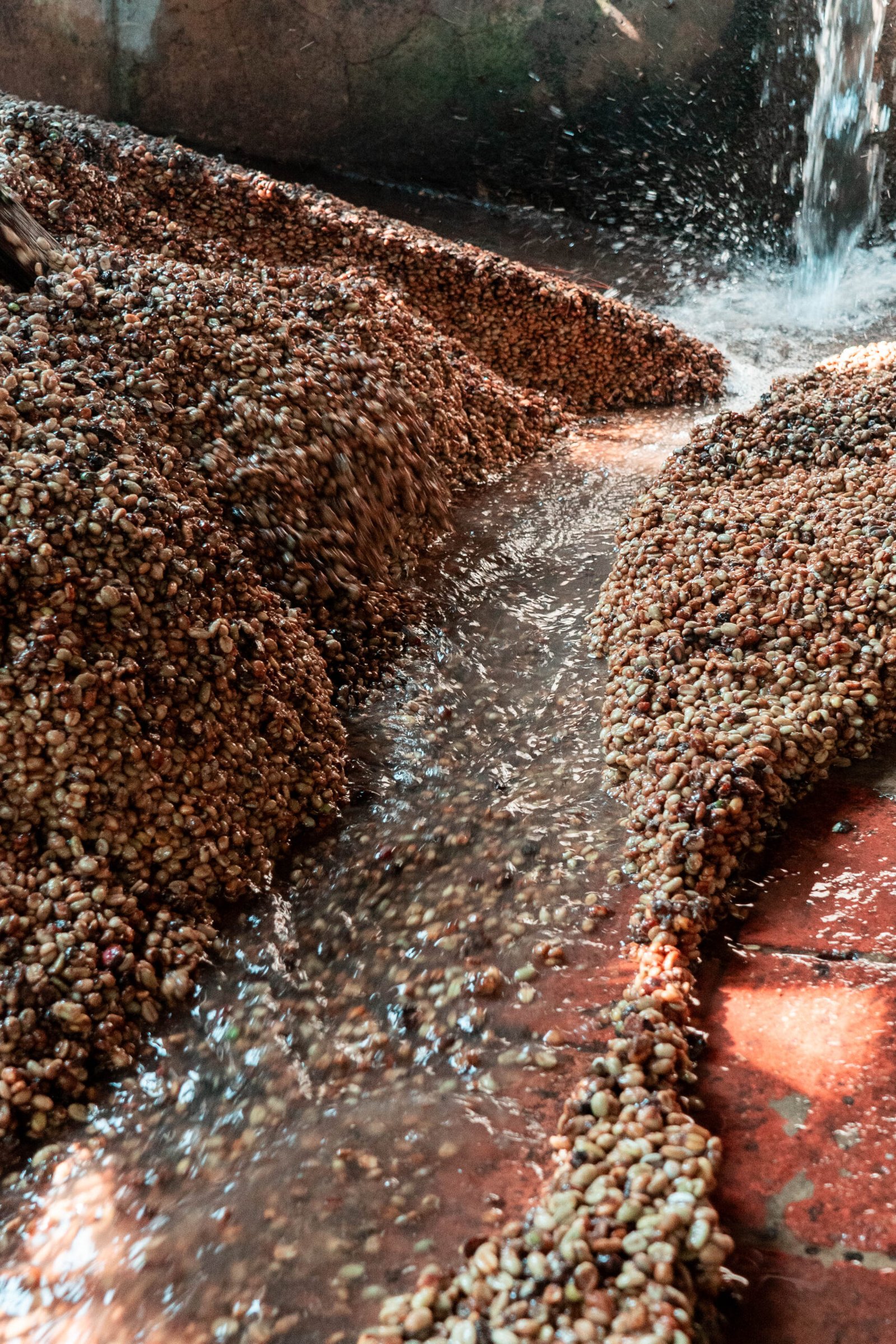
Each cherry is hand-picked using methods passed down through generations and processed through
natural practices that respect the rhythms of nature and the people who care for it.
Owning the plantation means breaking away from the downward price logic that squeezes growers and
devalues quality. It means recognizing the value of time, dignity, and human work.
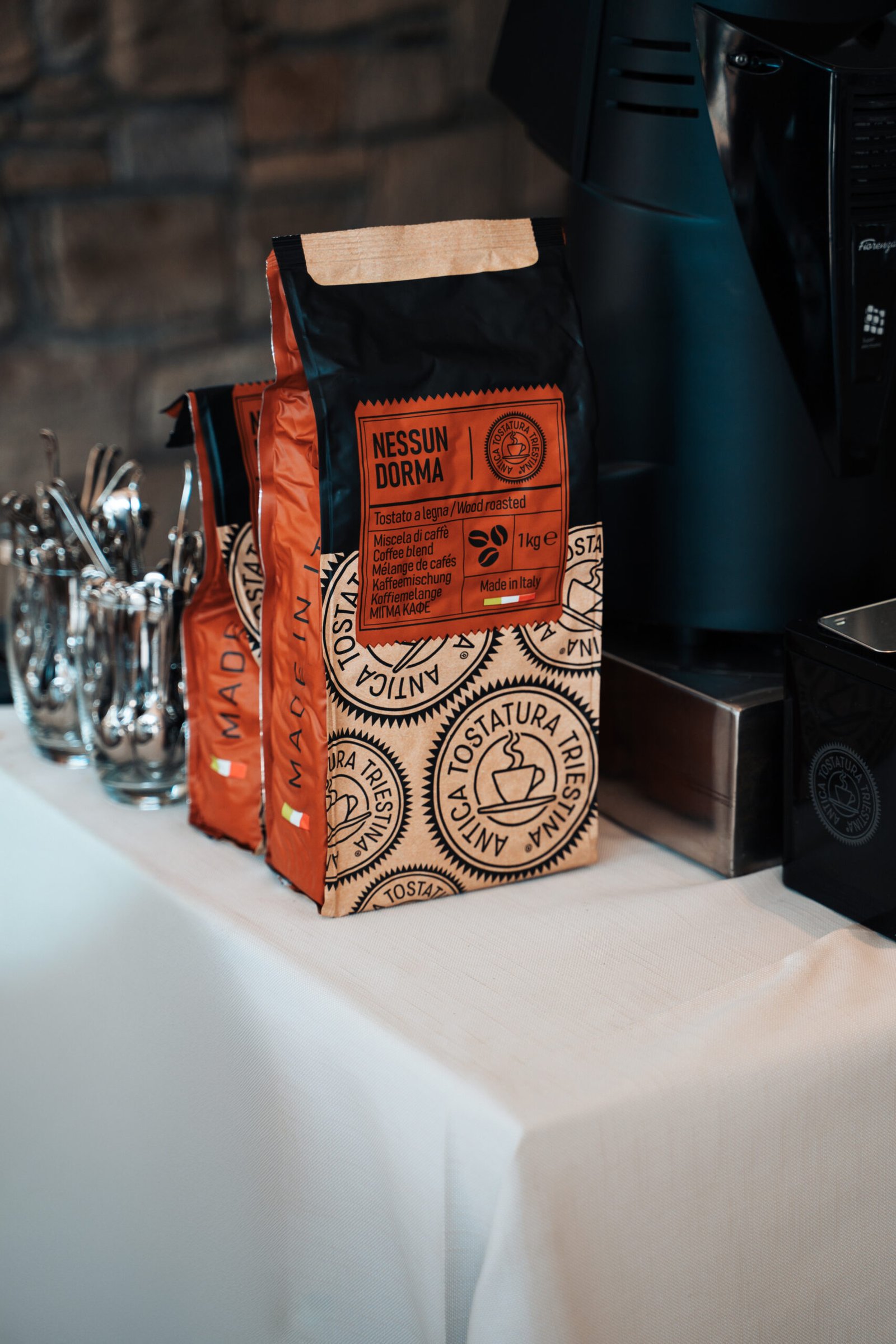
From the land to the fire: in Trieste, Italy’s coffee city, the product takes shape through Wood Roasting, an ancient technique that restores Espresso authenticity.
Beechwood, with its slow and steady heat, roasts each bean evenly to the core, revealing a complex, round, vibrant aroma far from industrial standards and close to artisanal tradition.
ATT’s goal is to progressively increase, year after year, the share of coffee sourced from its own plantations, building an ever more direct and responsible supply chain.
At the same time, the company aims to encourage other Italian roasters to invest in origin and sustainable farming models, so that environmental protection and social fairness are not exceptions but a shared method.
For us, coffee is art: like a work of art, it is born from inspiration, balance, and measure.
Our blends are small, carefully composed creations, made with the same sensitivity as those who paint or write music. Because we believe that beauty like great coffee is an act of culture, a gesture of care.