
The new line of single-origin 100% Arabica coffees for the horeca sector: green coffee selected during Antonia Trucillo’s plantation trips, artisan roasting in the newly created micro-roastery in Salerno, aimed at bringing the profound culture of coffee to venues committed to its promotion.
From the 1300 meters of Alta Mogiana in the São Paulo State of Brazil, to the 1600 meters of Marcala – Montecillo in Honduras, and the 1800 meters of Atitlan in Guatemala. From the high altitudes of South American coffee-producing countries to the peaks of quality that Caffè Trucillo manages to deliver in every cup with the new SpecialT collection, a perfect synthesis of the uniqueness of specialty coffee and Trucillo’s expertise in coffee quality.
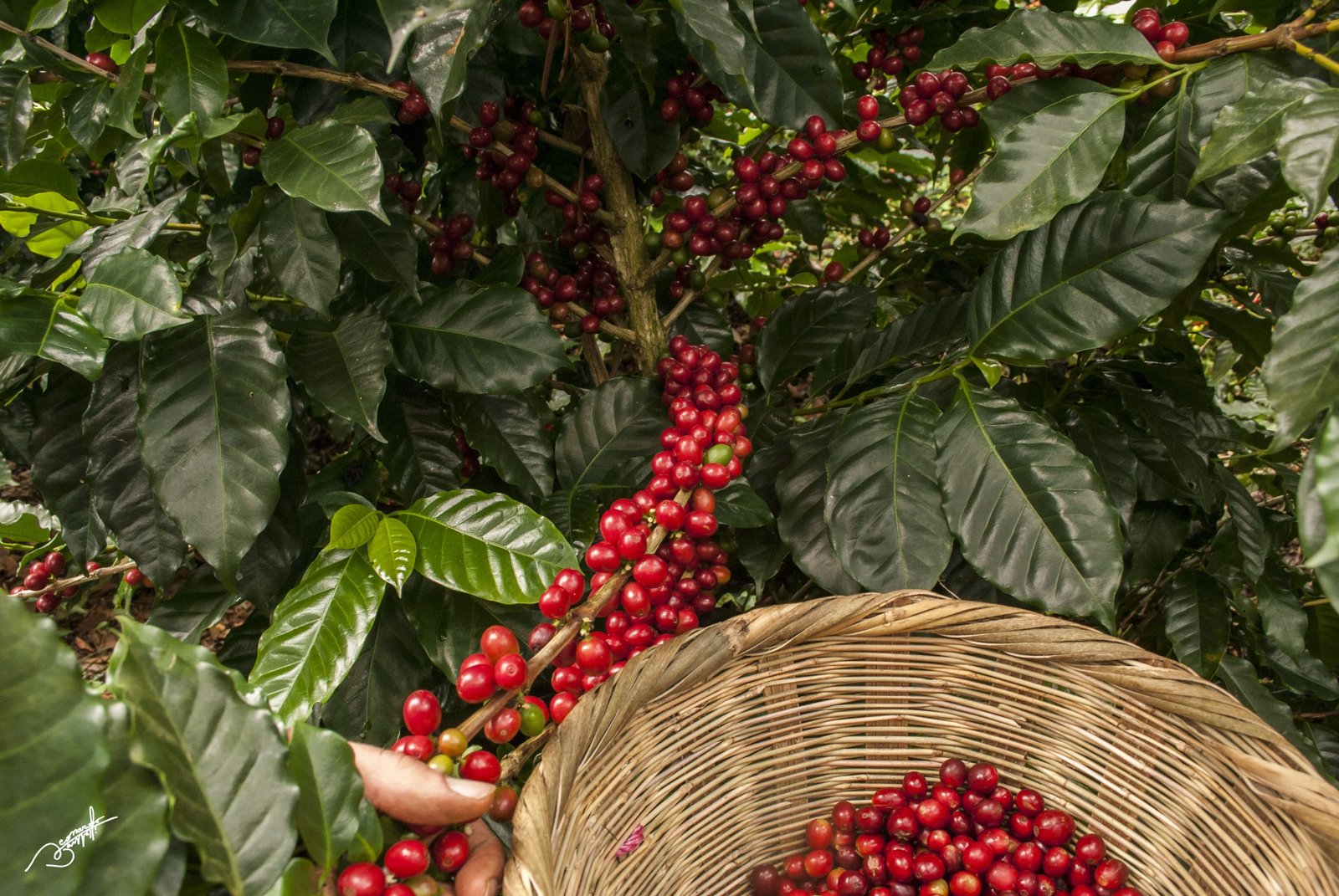


The mission of the Salerno-based roastery, with nearly 75 years of experience, is to extract the best from the finest origins and uphold a promise of quality from plantation to cup, which only a profound knowledge and all-encompassing experience of coffee can ensure. This means not only producing high-quality coffee but, above all, spreading its value and culture—a goal passionately and determinedly pursued by the entire company team.
In the name of the new line, the “T” — the initial of the family name leading the roastery for three generations — merges with the essence of “special” coffee, a raw material of extraordinary potential, selected directly by Antonia Trucillo, Q Grader and Head of Coffee Sourcing at the company, during her frequent trips among farmers. In 10 years since joining the company, she has completed 14 trips to 11 countries across 3 continents—Central and South America, Africa, and Asia—covering a total of approximately 250,000 kilometers. It is this knowledge, combined with expertise in roasting and every meticulous phase of the process, that allows the potential of the origin to be preserved and expressed to the highest levels in the cup, ensuring even the most demanding and sophisticated customers an exceptional and unique sensory experience.
Trucillo’s SpecialT coffees are among the first products born from the micro-roastery that Antonia Trucillo decided to establish at the modern headquarters of the family roastery in Salerno. Named “Hippocratica Roastery“—in honor of the Campania city, which in the Middle Ages hosted Europe’s first and most important medical institution—it produces only 20 kilos of coffee per hour, with a meticulous process of setting the roasting curve and profile, personally managed by Antonia Trucillo and her team.
SpecialT varieties are produced to order and available in 1000g and 250g packs, for tasting at the bar or experimenting at home with specialty coffee, embarking on a unique journey that begins with anticipation and culminates in an unparalleled result. Every cup tells a story of dedication, authenticity, and passion that only the combination of specialty and Trucillo can deliver.
